
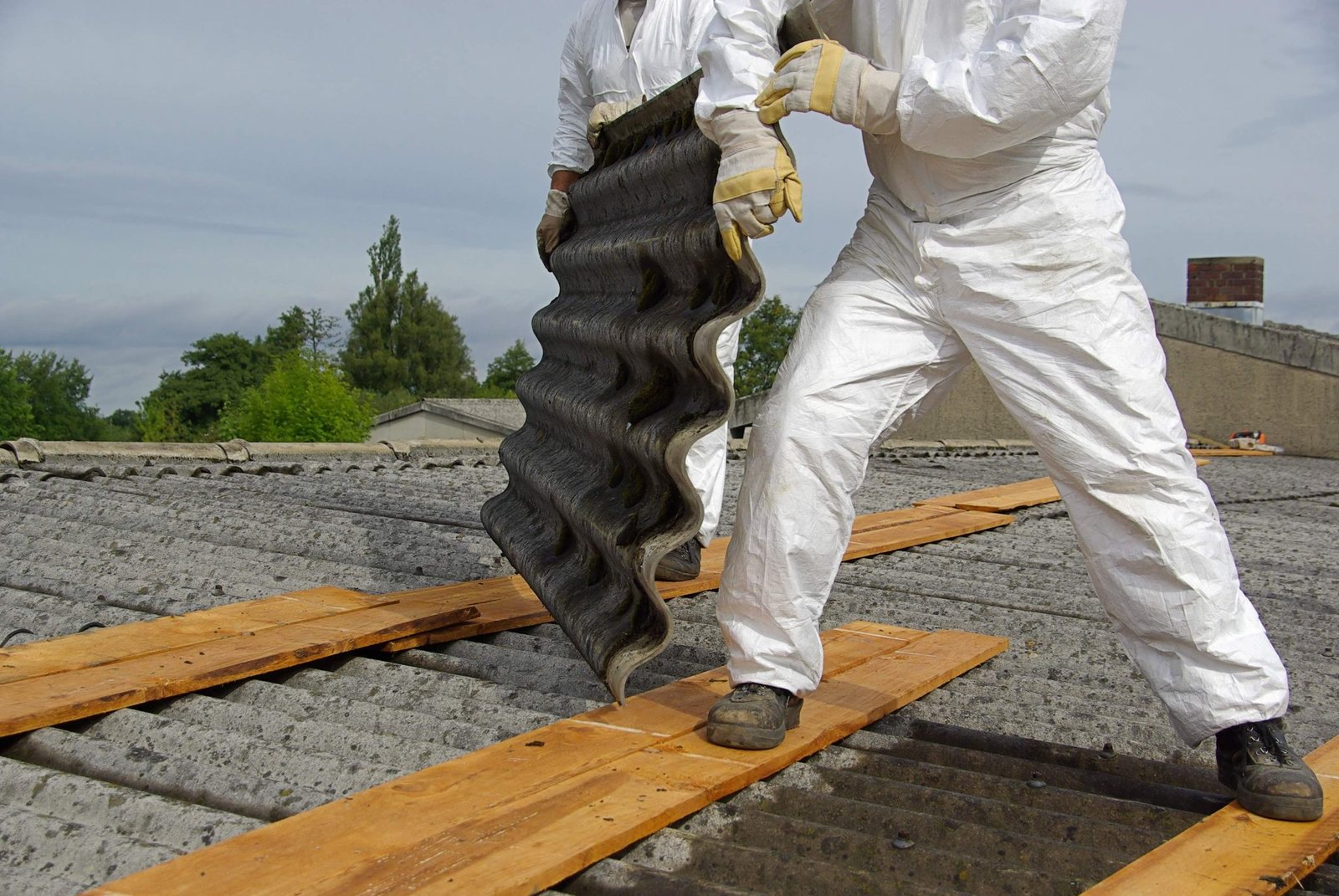
Why old asbestos roofs need attention
Asbestos cement is stable while it is intact, but a roof lives outdoors. Frost, sun and moss slowly break down the surface, and fibres can be released when sheets are cracked, drilled, scrubbed or pressure-washed.
- Cracked, crumbling or leaking sheets
- Moss or algae being scraped or jet-washed off
- Brittle sheets that are unsafe to walk on
- Repairs, new fixings or roof lights cut into the sheets
If a roof is sound, leaving it alone and monitoring it can be reasonable. If it is damaged, or you are planning building work, removal is the safer route.
Getting the roof replaced
Once the old sheets are down, we can fit a new covering such as insulated metal sheeting, or coordinate the trade that will. Agreeing the replacement up front means the building is not left open to the weather.
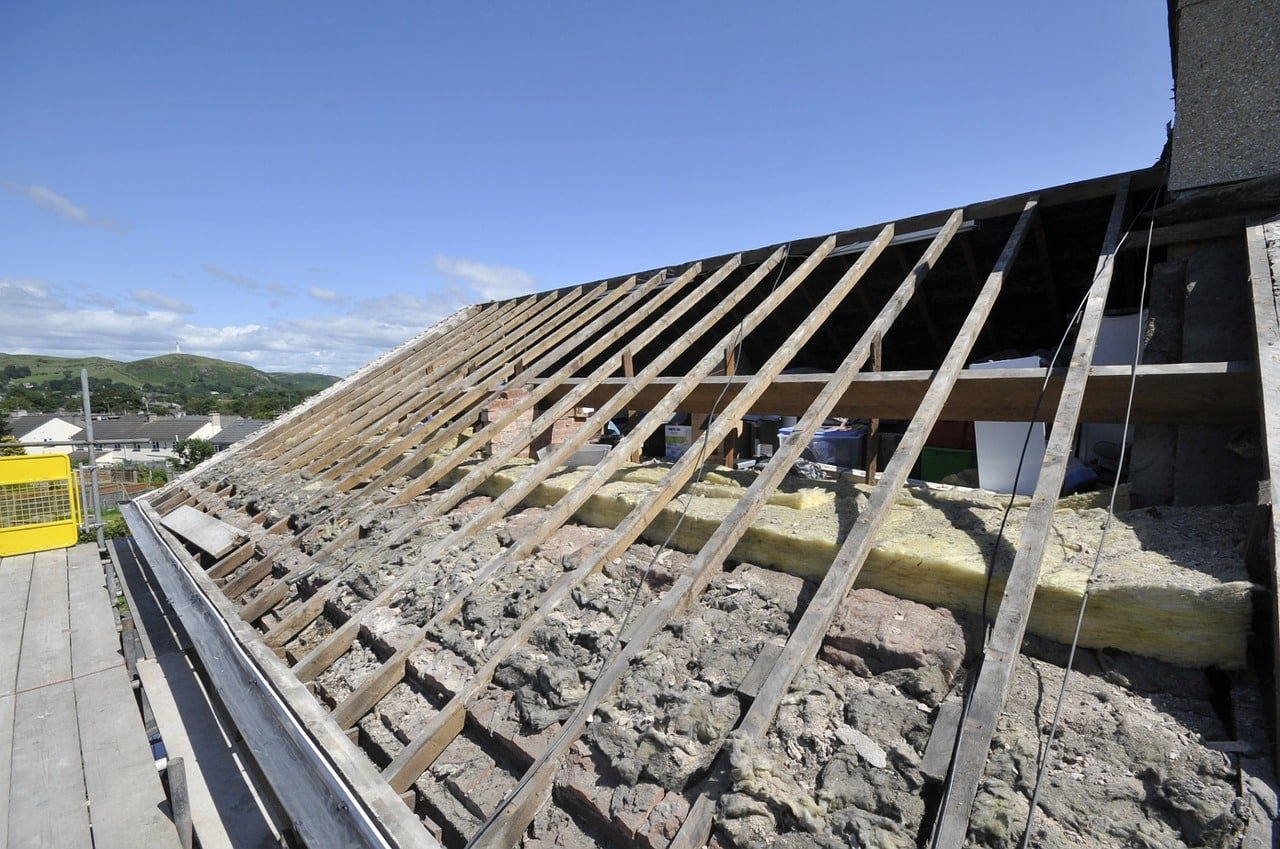
How we do the work
Assess the roof
We check condition, pitch, fixings, edge protection and what lies beneath the sheets, such as ceilings or stored items.
Prepare the site
Barriers and signs go up, the ground and drains below the eaves are protected, and access routes are agreed.
Remove the sheets
Sheets are wetted down, unfixed and lowered whole wherever possible. We do not break them or use power tools.
Clean and bag
Debris is collected with HEPA-filtered vacuums and damp wipes, and the sheets are wrapped and sealed.
Dispose and replace
Waste goes with a registered carrier to an authorised site, you receive the paperwork, and the new roof is fitted.
Asbestos waste is double-bagged, sealed and taken by a registered carrier to an authorised disposal site. You receive a waste consignment note as your legal record.